
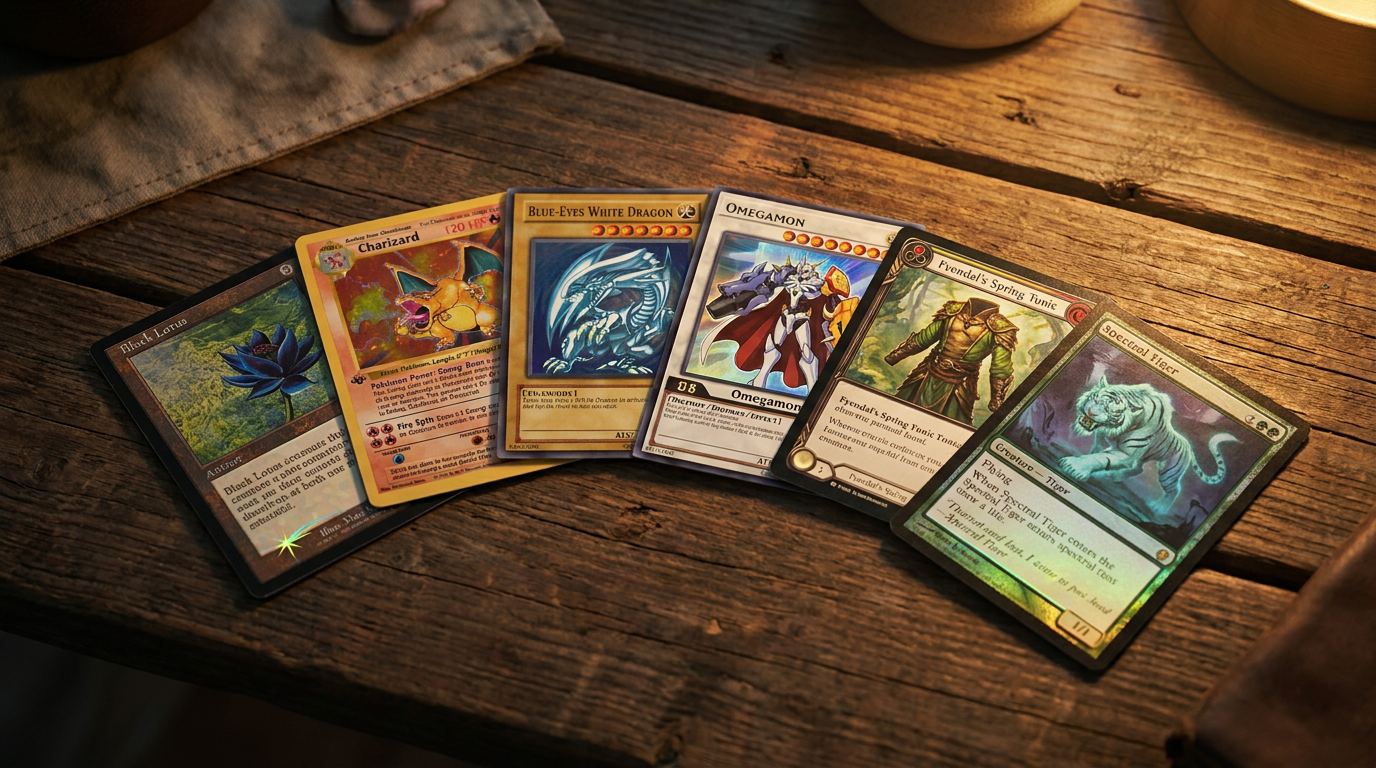
The world of collectible card games is a fascinating ecosystem, driven by a blend of strategy, art, and occasionally, the intriguing economics of scarcity. For those of us who’ve spent time sifting through binders or cracking packs, the concept of a ‘chase card’ is familiar. But what truly dictates a card’s rarity, and consequently, its long-term appeal and value? Quite often, it boils down to the print run – how many of a given product were actually produced.
The Scale of Production: Broad Accessibility vs. Deliberate Scarcity
Different TCGs approach their print runs with varying philosophies, and understanding these can offer insight into the ebb and flow of the secondary market. Some games, particularly those with a global presence and established player bases, tend towards larger, sometimes open-ended, print runs for their core sets. This ensures broad accessibility, allowing more players to engage with the game at a fundamental level. While this can suppress the immediate value of common and uncommon cards, it also fosters a healthy competitive scene and maintains interest in the game's mechanics.
However, even within these larger print runs, there's often a hierarchy of rarity. Special subsets, parallel foils, or limited-edition promotional cards are intentionally produced in smaller quantities. These are the elements that keep collectors hunting, providing a thrill of the chase even in a widely available set. The scarcity here is by design, a deliberate balancing act between player access and collector appeal.
Limited Runs and Immediate Impact
On the other end of the spectrum are games or specific products with deliberately constrained print runs. These can be driven by a variety of factors: a newer game testing the waters, a licensed product with a finite agreement, or a special anniversary release intended to be a true collector’s item from the outset. When a print run is explicitly limited, the scarcity is inherent from day one.
The impact on the secondary market is often immediate and pronounced. Cards from these limited releases can command higher prices quickly, sometimes before the product has even hit general retail. For collectors, these print runs represent an opportunity to acquire genuinely rare items, but they also necessitate a quicker response to new releases. Understanding which products are likely to fall into this category is key for those looking to acquire specific cards or sealed product before market adjustments take hold.
Regional Nuances and Collector Strategy
Consider the regional variations, too. What might be a standard print run in one territory could be exceptionally limited in another due to distribution agreements or local market demand. Japanese language sets, for instance, sometimes see different print strategies compared to their English counterparts, leading to distinct supply dynamics and card values across regions. This is especially pertinent for those interested in importing sealed product.
Ultimately, navigating the world of TCGs as a collector means developing a sixth sense for these print run variations. There's no single, universal rule, but by observing trends across different games and understanding the publishers' approaches, we can make more informed decisions about what to pursue, what to hold, and what truly represents a significant piece for our collections. It's about appreciating the nuanced interplay of supply, demand, and that unique spark of desirability that keeps us all coming back for more.
You might also like
Similar products
Browse the categories mentioned in this guide: