
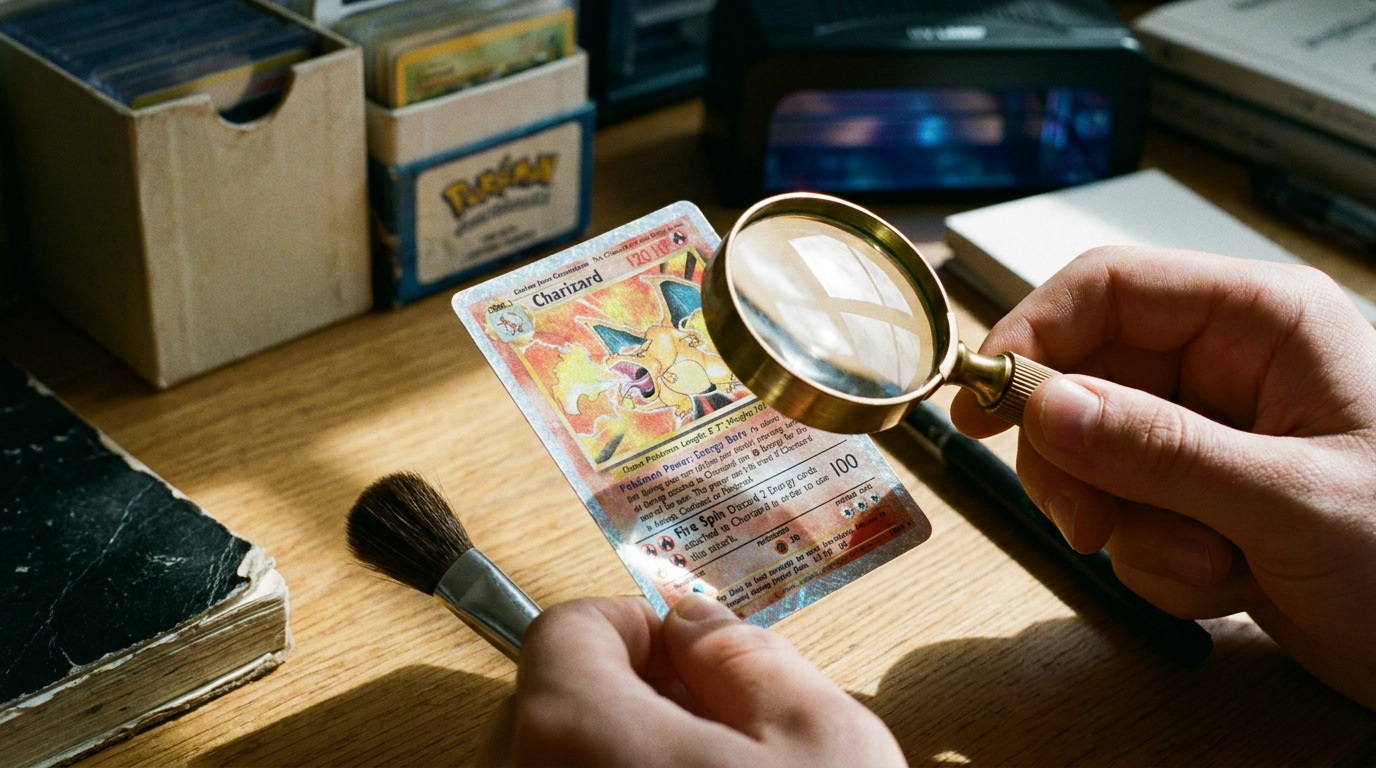
In the enthusiastic pursuit of adding to our card collections, it's easy to get caught up in the excitement of a new acquisition. However, with the ever-growing popularity of trading card games, the market for counterfeit products has unfortunately expanded in parallel. For any serious collector here in the UK, understanding the subtle (and sometimes not-so-subtle) signs of a fake is an invaluable skill. It’s not about paranoia, but prudence, ensuring that the passion you pour into your collection is met with genuine articles.
The First Line of Defence: Packaging Tells
One of the initial giveaways for a counterfeit product often lies with the packaging. Genuine sealed product — be it booster boxes, packs, or even pre-constructed decks — exhibits a certain quality in its wraps and seals. Look for crisp, clean edges, consistent branding, and secure, untampered seals. Any signs of re-gluing, uneven cuts, or blurry printing on the outer packaging should raise a red flag. Counterfeiters often skimp on the quality of their packaging materials, which can be a dead giveaway even before you get to the cards themselves.
Similarly, check for unexpected variations in design or colours compared to official product images. Misspellings or grammatical errors on the packaging are clear indicators of a fake, as are unusual textures or a flimsy feel to the box or wrapper. If the booster pack feels too light, or too thick, or the sheen is off, trust your instincts.
Card Quality: Stock, Print, and Finish
Once you're past the packaging and handling the cards themselves, the indicators become more numerous and often more nuanced. The card stock is a major factor. Genuine cards have a specific weight, thickness, and stiffness that counterfeits often struggle to replicate. Hold a known genuine card next to the suspect one and feel the difference. Fakes often feel thinner, flimsier, or in some cases, unnaturally rigid. The finish or coating can also differ; genuine cards usually have a consistent sheen or matte finish, whereas fakes might appear overly glossy, dull, or even have an inconsistent texture.
Printing quality is another critical area. Examine the artwork, text, and set symbols closely. Genuine cards feature sharp, clear printing with vibrant colours and distinct lines. Counterfeits often exhibit blurry images, washed-out or oversaturated colours, and pixelated text. Pay particular attention to small details, such as the copyright information, set codes, and the artist's signature (if present) – these are often areas where fakes show their poor quality. Holographic foils and reverse holos on genuine cards have a distinctive shine and pattern; fakes might have a flat, uninspired foil or incorrect patterns.
Finally, for specific games, there are often unique authenticity checks. For Pokémon, the black layer within the card can sometimes be seen from the side if a card is deliberately torn (only recommended for cards you're certain are fake!). Magic: The Gathering cards often have a rosetta pattern visible under magnification. Familiarise yourself with these game-specific details, as they can be the definitive proof you need.
Where You Buy Matters
While it might seem tempting to chase deals that appear too good to be true, exercising caution when purchasing is paramount. Always aim to buy from reputable vetted suppliers and established sellers, especially when acquiring high-value singles or sealed product. Authenticity checked products from trusted sources eliminate a significant amount of risk.
If you're buying from individuals, particularly online, do your due diligence. Check seller reviews, ask for detailed photos and videos, and if possible, arrange for an in-person inspection. Don't be afraid to ask questions about the provenance of the cards. Remember, a legitimate seller will typically have no issue providing comprehensive information and being transparent about their products. Trust your gut; if something feels off, it probably is. Protecting your collection starts with informed decisions.
Browse the categories mentioned in this guide: